Lamine Yamal, Éder Militão & Arda Güler Injuries: The Warning Every Athlete in Doral, Florida Should Hear Before Getting Hurt
In professional soccer, a muscle injury can change an entire season. But this message isn’t just for elite players—it’s for runners, gym-goers, recreational athletes, and anyone in Doral who pushes their body hard without giving it the recovery it needs.
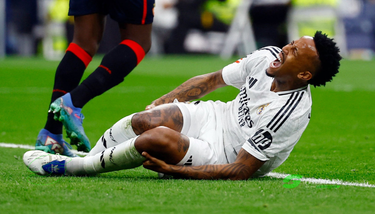
In recent days, three major names have raised concern: Lamine Yamal, Éder Militão, and Arda Güler.
All three cases share a common factor: the biceps femoris, one of the key muscles in the back of the thigh—essential for running, sprinting, stopping, turning, jumping, and changing direction.
Here’s the real takeaway: the body doesn’t break down randomly. It often fails after weeks or months of ignored warning signs.
At G Therapy Center, we see this pattern constantly among active individuals across Doral and Miami-Dade: muscle tightness, recurring discomfort, fatigue, stiffness, reduced mobility, and pain that “comes and goes”—until one day it becomes a real injury.
What Injury Does Lamine Yamal Have?
Lamine Yamal sustained a left hamstring (biceps femoris) injury, according to reports attributed to FC Barcelona and international media. The club indicated a conservative treatment plan and that he will miss the remainder of the season, though he is expected to be available for the World Cup.
Additional reports describe it as a Grade 2 tear, with an estimated recovery time of 4–6 weeks.
This is no minor issue. We’re talking about a critical muscle injury in a young, explosive athlete.
When the biceps femoris is injured, it affects:
- Speed and acceleration
- Stability and control
- Confidence during play
- Safe return to competition
What Injury Does Éder Militão Have?
Real Madrid officially reported on April 23, 2026 that Éder Militão was diagnosed with a left hamstring (biceps femoris) muscle injury.
For a central defender, this muscle is essential for:
- Explosive acceleration
- Braking and directional changes
- Jumping and aerial duels
- Covering space defensively
The biggest risk here isn’t just pain—it’s returning too soon, compensating incorrectly, and reinjury.
What Injury Does Arda Güler Have?
On the same date, Real Madrid confirmed that Arda Güler suffered a right hamstring (biceps femoris) injury.
Güler’s playing style—technical, agile, and explosive—places high demand on the hamstrings, especially during:
- Quick accelerations
- Sharp turns
- Ball control under pressure
In many cases, these injuries don’t happen suddenly—they build over time due to:
- Overload
- Poor recovery
- Muscle imbalances
- Accumulated fatigue
- Limited mobility
What Is the Biceps Femoris and Why Is It So Injury-Prone?
The biceps femoris is one of the primary hamstring muscles located in the back of the thigh.
It plays a key role in:
- Running
- Sprinting
- Decelerating
- Jumping
- Changing direction
- Knee stabilization
- Hip control
- Power generation
That’s why it’s commonly injured in:
- Soccer
- Running
- Tennis & padel
- Gym training
- CrossFit
The most common mistake: assuming tightness in the back of the thigh is “just tension.”
In reality, it can be the first warning sign of overload.
The Most Common Mistake: Waiting Until It Hurts
This is critical.
Most athletes don’t seek help at the first sign. They wait until they can’t train anymore.
That’s an expensive mistake.
The progression usually looks like:
- Mild discomfort
- Tightness
- Reduced confidence during movement
- Pain when running or changing direction
- Full injury
If you wait until your body forces you to stop, you’ve already lost valuable time.
At G Therapy Center, we see this daily in active people in Doral: high training loads, long work hours, poor sleep, inadequate recovery—and expectations that the body will perform like a machine.
It doesn’t work that way.
What Do These Injuries Have in Common?
The injuries of Lamine Yamal, Éder Militão, and Arda Güler highlight one key fact:
Even elite athletes with full medical teams still get injured.
So if you train without:
- Proper evaluation
- Structured recovery
- Muscle unloading
- Movement analysis
You’re relying on luck.
And luck is not a strategy.
Warning Signs of a Hamstring or Biceps Femoris Injury
Pay attention if you experience:
- Constant tightness in the back of the thigh
- Pain when sprinting
- Discomfort when decelerating or changing direction
- Pulling sensation during training
- Post-activity stiffness
- Pain that improves with rest but returns with activity
- Strength imbalance between legs
- Associated pain in glutes, hips, or lower back
- Fear or hesitation when accelerating
If you recognize several of these, don’t ignore them.
Your body is communicating.
How Can G Therapy Center Help?
At G Therapy Center, the approach goes beyond “treating where it hurts.”
We identify why the overload is happening.
Because hamstring pain may be linked to:
- Limited hip mobility
- Weak glutes
- Previous injuries
- Poor running mechanics
- Training overload
- Lumbar or pelvic stiffness
- Accumulated fatigue
- Inadequate recovery
Services That Support Recovery & Injury Prevention
Functional Evaluation
Understanding movement patterns helps detect compensation and overload sources.
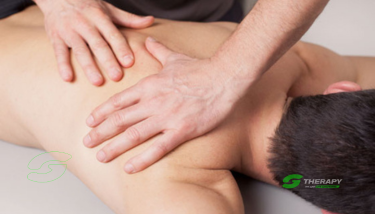
Manual Therapy
Improves mobility, releases muscle restrictions, and restores function.
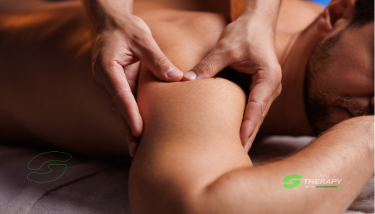
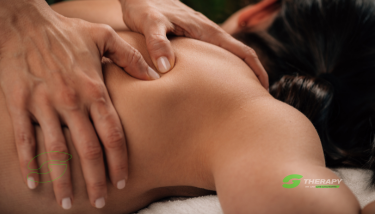
Sports Massage
Not relaxation—this is performance-focused muscle recovery.
Recovery Technology
Advanced tools to support circulation, muscle repair, and overall recovery.
Preventive Planning
The goal isn’t just pain relief—it’s reducing recurrence risk.
The Key Lesson for Athletes in Doral & Miami
If elite players like Lamine Yamal, Éder Militão, and Arda Güler can suffer hamstring injuries, any active person is at risk if they ignore early signs.
You don’t need to be a pro athlete to get injured.
You just need:
- High physical demand
- Poor recovery
That’s the pattern—and it’s extremely common.
Recovery Is More Than Pain Relief
Another major misconception:
- No pain ≠ full recovery
- Walking ≠ running readiness
- Light training ≠ competition readiness
- Symptom relief ≠ root cause solved
A proper recovery should improve:
- Mobility
- Strength
- Control
- Load tolerance
- Movement quality
- Confidence
Smart recovery isn’t about coming back fast—it’s about coming back right.
Sports Recovery in Doral, Florida
At G Therapy Center, we help athletes, runners, and active individuals move better, recover better, and perform better with a personalized, function-based approach.
If you’re dealing with:
- Hamstring tightness
- Muscle pain
- Running discomfort
- Hip stiffness
- Recurring injuries
Don’t wait until you’re forced to stop.
Your body almost always warns you first.
Conclusion
The injuries of Lamine Yamal, Éder Militão, and Arda Güler all point to one critical structure: the biceps femoris.
But the real story isn’t that they got injured.
The real lesson is that the body needs preparation, recovery, and attention before reaching its limit.
At G Therapy Center, we believe prevention isn’t optional—it’s strategic.
Feeling muscle tightness, pain, or discomfort when training?
Schedule your appointment with G Therapy Center and discover what your body needs to recover better, move better, and perform better.
FAQ
What injury does Lamine Yamal have?
Lamine Yamal has a left hamstring (biceps femoris) injury, reported as a Grade 2 tear with an estimated recovery of 4–6 weeks.
What injury does Éder Militão have?
Éder Militão was diagnosed with a left hamstring (biceps femoris) injury by Real Madrid.
What injury does Arda Güler have?
Arda Güler has a right hamstring (biceps femoris) injury, confirmed by Real Madrid.
What is the biceps femoris?
A key hamstring muscle in the back of the thigh responsible for running, accelerating, and stabilizing the leg.
Why does the biceps femoris get injured?
Due to overload, fatigue, poor recovery, muscle imbalances, limited mobility, and explosive movements.
When should I seek help for hamstring pain?
If it recurs, limits performance, or returns after rest.
Does G Therapy Center treat sports injuries?
Yes. G Therapy Center provides functional evaluation, manual therapy, sports massage, and recovery solutions tailored to each patient.