Pain doesn’t always mean something is “broken.” In many cases, the real issue lies in overloaded, stiff, inflamed tissues—or in a cycle of tension and poor mobility that the body can’t resolve on its own.
That’s where technologies like Winback are making a difference in modern physiotherapy and pain management. Not because they’re magical, but because—when used properly—they can help reduce discomfort, improve mobility, and create better conditions for recovery.
At G Therapy Center Miami, this technology is now available as part of a clinical approach focused on pain, function, and recovery. And it’s important to be clear: technology alone doesn’t solve the problem. Results come from using it with clinical reasoning, proper evaluation, and a well-structured treatment plan.
What is Winback?
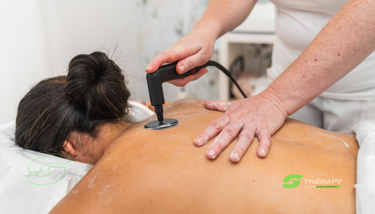
Winback is a technology used in physiotherapy and rehabilitation based on TECAR therapy—a system that uses energy transfer to stimulate tissues, support movement, and help relieve pain.
Simply put: it helps prepare the tissue, improve the body’s response, and facilitate therapeutic work in cases of stiffness, overload, muscle tension, or functional limitation.
This isn’t just about “applying heat” or using a machine because it sounds advanced—that’s one of the biggest misconceptions. Winback only has real value when used with clinical intent, not as a technological gimmick.
How does Winback work in pain treatment?
When someone is in pain, it’s rarely just discomfort. There’s often muscle tension, reduced mobility, a feeling of restriction, poor local circulation, and difficulty for tissues to return to normal function.
Winback is used to help create a more favorable environment in the affected area. Depending on the case, it may help:
- Reduce the sensation of pain
- Improve tissue elasticity
- Enhance mobility
- Prepare the area for manual therapy
- Complement therapeutic exercise
- Improve the body’s response during recovery
This matters because treating pain shouldn’t be limited to “turning off symptoms.” The real goal is restoring function.
Benefits of Winback for pain
1. It can help reduce pain
One of the most sought-after benefits is its potential to decrease pain in muscular and joint conditions.
When pain decreases, the body reduces its protective response. And when that happens, the therapist can work more effectively, and the patient can move more freely.
That shift is significant. Often, the first step toward recovery is simply being able to move with less fear and resistance.
2. It can improve mobility
Pain and stiffness often go hand in hand. When tissue is tense or congested, movement becomes limited, uncomfortable, and inefficient.
Winback can be part of a strategy to improve mobility, helping tissues become more receptive to treatment and more responsive to therapeutic movement.
Because feeling better isn’t just about “less pain.” It’s also about moving better.
3. It can complement manual therapy
One of the biggest strengths of this technology is that it doesn’t need to be used in isolation.
When integrated with manual therapy, it can facilitate work on tight tissues, overloaded areas, and regions with functional restriction.
In other words: it doesn’t replace the therapist’s hands—but it can enhance a well-executed intervention.
And that’s critical. Replacing clinical reasoning with machines is a fundamental mistake.
4. It can support functional recovery
Winback shouldn’t be seen only as a tool to “reduce pain.” When used properly, it can support processes aimed at restoring function, movement tolerance, and load capacity.
This is especially relevant for people dealing with:
- Lower back pain
- Neck pain
- Muscle overload
- Joint stiffness
- Movement limitations
- Recurrent discomfort from effort or posture
- Physical rehabilitation processes
5. It’s a non-invasive option
Another important point is that Winback is non-invasive, making it a valuable option within conservative treatment strategies.
That doesn’t mean it works for everything or everyone—but it can be a strong alternative when properly indicated and integrated into a broader therapeutic plan.
Common mistakes about Winback and pain treatment
Mistake 1: Thinking the machine does all the work
It doesn’t.
The device does not replace assessment, functional diagnosis, clinical experience, or therapeutic reasoning. If the root cause isn’t understood, technology won’t fix the problem—it will only mask it.
Mistake 2: Believing that pain relief equals full recovery
This happens all the time.
A person feels better and assumes they can immediately return to the same activities that caused the issue—only for the pain to come back.
Early relief is a positive sign, but it doesn’t automatically mean full recovery.
Mistake 3: Focusing only on pain reduction instead of the cause
If the approach is limited to symptom relief, the body will fall back into the same dysfunctional patterns.
You need to address movement, posture, load, tissue quality, habits, recovery, strength, mobility, and tolerance to effort. If the root cause isn’t corrected, the pain will return.
Mistake 4: Assuming higher intensity is always better
Another common misconception.
Many people think that if a treatment feels stronger, it must be more effective. That’s not necessarily true. In pain management, dosage matters.
More intensity doesn’t always mean better results—the key is applying what the tissue actually needs.
Mistake 5: Using it as a trend instead of a clinical tool
Some clinics adopt technology just to say they have it. That adds no real value.
Winback only makes sense when it’s part of a structured clinical strategy with clear goals: reduce pain, improve mobility, prepare tissue, facilitate manual therapy, and support recovery.
What types of pain can Winback help with?
Depending on the case and professional evaluation, Winback can be useful in managing:
- Muscle pain
- Lower back pain
- Neck pain
- Sports-related overload
- Joint stiffness
- Myofascial tension
- Postural discomfort
- Functional restrictions
- Musculoskeletal rehabilitation processes
The key point: not all pain requires the same approach. That’s why proper evaluation is essential.
What really makes the difference
The difference isn’t having Winback.
The difference is how it’s used.
When integrated with proper assessment, manual therapy, mobility work, therapeutic exercise, and a clear strategy, it becomes a highly valuable tool in pain treatment.
This is what many overlook—it’s not about selling a machine. It’s about achieving better outcomes for the patient.
Winback is now available at G Therapy Center Miami
At G Therapy Center Miami, Winback technology is available as part of a comprehensive approach focused on pain relief, functional recovery, and movement improvement.
Our goal is not just to temporarily reduce symptoms, but to help you understand what’s happening in your body, improve movement quality, and guide you through a more complete and intelligent recovery process.
If you’re dealing with pain, stiffness, muscle overload, or movement limitations, this technology can be part of a personalized therapeutic strategy.
Conclusion
Winback represents an advanced tool in modern pain treatment and rehabilitation. It can help reduce discomfort, improve mobility, prepare tissues, and complement a well-structured treatment plan.
But it’s important to stay grounded: technology alone doesn’t create results. Outcomes come from combining it with clinical reasoning, experience, and a well-designed therapeutic strategy.
That’s where the real difference lies.
Are you dealing with pain, stiffness, or limited mobility?
Discover how Winback technology can be integrated into your recovery process at G Therapy Center Miami.
Book your evaluation and find out the most appropriate approach for your case.
FAQs
What is Winback?
Winback is a physiotherapy and rehabilitation technology based on TECAR therapy that helps reduce pain, improve mobility, and support functional recovery.
Does Winback help with back pain?
It can be a useful tool within a treatment plan for lower back pain, muscle overload, and movement limitations—provided there is proper evaluation.
Does Winback replace manual therapy?
No. It works best as a complement to manual therapy, mobility work, and therapeutic exercise—not as a substitute.
Is Winback invasive?
No. It’s a non-invasive technology used within conservative treatment approaches.
How many sessions are needed?
It depends on the case, the cause of the pain, the progression of the condition, and the individual response of each patient.